Preparing for the Unexpected: How to Keep Your Pets Safe in an Emergency
When we think about emergency planning, it’s easy to focus on flashlights, bottled water, and extra batteries. But if you have furry, feathered, or scaled family members, they need a game plan, too. The golden rule of pet safety is pretty simple: if a situation isn’t safe for you, it isn’t safe for them. Packing up and taking them with you is always the best move.
Getting ready doesn’t have to be overwhelming. By breaking things down into a few friendly steps—planning, packing, practicing, and protecting—you can make sure your whole crew stays safe and cozy, no matter what comes your way.
First Up: The Pre-Game Plan
The best time to prepare for an emergency is when the weather is perfectly calm. Start by double-checking that your pet’s collar, ID tags, and microchip info are completely up to date. If you ever get separated, a current microchip is the fastest way to get reunited.
Next, make sure every pet has their own secure carrier or crate ready to go. It’s also smart to look up a couple of pet-friendly hotels or spots outside your immediate area. Since many standard emergency shelters can’t take pets, having a backup destination ahead of time saves a lot of stress.
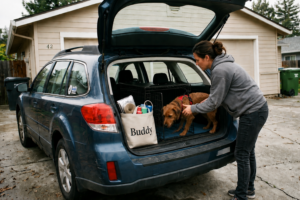
Finally, team up with a neighbor or a local friend. Give them a spare key and a quick rundown of your pet’s routine just in case an emergency happens while you’re stuck at work. Don’t forget to practice, either! Doing a quick test run of loading your pets and gear into the car helps keep everyone’s stress levels down when it counts.
Packing a Pet “Go Bag”
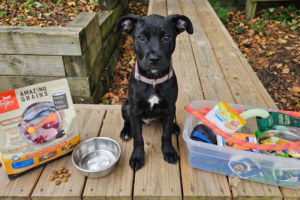
Just like you’d pack an overnight bag for yourself, each pet needs their own labeled, waterproof emergency kit kept right by the door. Every three months or so, give it a quick look to refresh the food and check for any expired supplies.
Here is what you’ll want to toss inside:
- The Basics: A 7-day supply of their usual food and fresh water, plus bowls and a manual can opener if they eat canned food.
- Health Items: A week’s worth of any medications they take, a pet first-aid kit, and copies of their medical records and vet info.
- Comfort & Proof: A favorite toy or familiar blanket to help them chill out, a little supply of treats, and a printed photo of you and your pet together to prove ownership.
- Clean Up: Waste bags, paper towels, and a bit of pet-safe cleaner. Cats will also need a small disposable litter tray, a scoop, and some litter.
If you have smaller companions, customize their gear. Birds and small pocket pets need a secure travel cage and warm bedding, while reptiles will need a well-ventilated container and clear instructions on their specific heating setup.
When Danger Approaches
If a storm or local hazard is heading your way, bring your pets indoors right away. Animals can sense changes in the weather and might try to run or hide if they get spooked. Keep dogs on their leashes and get cats safely into their carriers so you’re ready to move at a moment’s notice.
Whenever possible, try to evacuate early. It keeps you out of heavy traffic and makes the whole experience much more relaxed for your animals. Grab your go bags, crates, and meds, and send a quick text to your emergency contact to let them know where you’re heading. If you ever find yourself separated from your pet in a restricted area, please leave it to the pros—let emergency responders know right away so they can help safely retrieve them.
Sheltering in Place & Bouncing Back
If you’re told to stay put at home, pick a safe, windowless interior room—like a bathroom or basement—and gather there with your pets and supplies. Because disasters can make even the calmest pets a little anxious, it’s a good idea to keep stressed or unfamiliar animals separated so everyone stays safe and relaxed.
Once the all-clear sounds, take things slow. Keep your dogs on a leash and cats in their carriers for a little while when going outside. Debris, broken glass, or contaminated puddles can be tough on bare paws. Give your pet a gentle check-over to make sure they’re feeling okay, and if they were exposed to smoke or floodwaters, give your vet a quick call to be safe.
Lastly, keep an eye out for local wildlife that might have been displaced by the event. Keep your pets at a safe distance, and if you see a wild animal that needs a hand, reach out to a licensed wildlife rehabilitator rather than trying to handle it yourself. With a little bit of teamwork and prep, you can rest easy knowing your whole family is ready for anything!
Need a checklist to help you stay prepared? Click HERE